The Waldorf Classroom: Why the Learning Environment Matters
08 Sep 2026
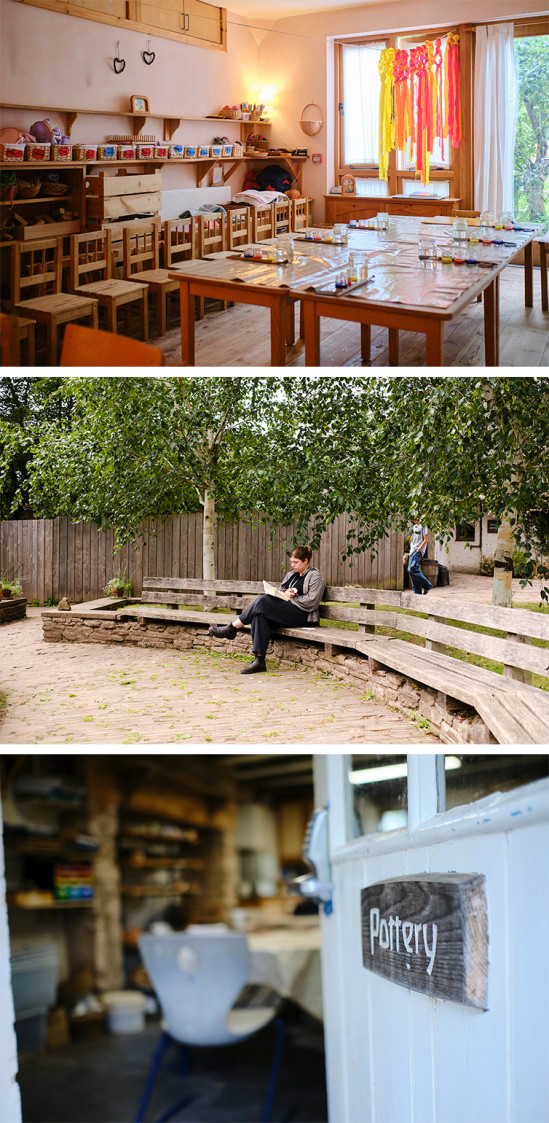
In Steiner Waldorf schools, the physical environment is planned with real care and deliberate intention, from kindergarten through to the senior school. Natural materials replace the synthetic and the disposable; calm, uncluttered spaces support attention and self-regulation; outdoor space and the rhythm of the seasons are built into daily life; and every space, whether a kindergarten corner, a classroom or the school library, is prepared with the same deliberate care.
Natural materials remain part of a child's education long after the wooden toys and silks of the kindergarten. Younger children handle wood, wool, beeswax and stone for the sensory and fine motor development their weight and texture provide. Older students continue this direct encounter with the real world through handwork, woodwork, textiles and science apparatus, and in the gardens and land they tend as part of biology and gardening. At every age, children are asked to work with the genuine properties of materials, not a synthetic imitation of them.
An uncluttered, ordered space supports attention. Research into classroom environments found that children in heavily decorated, visually busy rooms were more distracted, spent more time off task, and showed smaller learning gains than children in plainer surroundings (Fisher, Godwin & Seltman, 2014). A calm, considered room, free of unnecessary visual noise, gives students of any age more capacity to settle, concentrate and think clearly.
Outdoor space and the rhythm of the seasons run through school life at every stage. Kindergarten children mark the year through festival and garden work; older students take that connection further, through expeditions, land-based projects and fieldwork. A recent systematic review found that school-led greenspace interventions bring measurable benefits to children and young people's mental, physical and social wellbeing (Ly & Vella-Brodrick, 2024). Waldorf schools build this connection deliberately into the curriculum, rather than treating it as an occasional extra.
None of this happens by chance. Before a single lesson begins, teachers spend hours mending resources, tending gardens and arranging rooms with an attention most visitors never see. This unseen preparation is itself an act of care: it tells every child that the space was made ready for them specifically. The environment, in a Waldorf setting, is treated as a teacher in its own right. Children learn a great deal from a beautiful, ordered, natural space, long before they could put it into words: that the world is worth caring for, that beauty and order matter, and that they themselves were worth this much preparation. That lesson, quietly offered by a room rather than a person, may be one of the most lasting a school ever gives.
SteinerWaldorf #Education #LearningEnvironment